 Image 1 of 1
What’s in your Products?
-
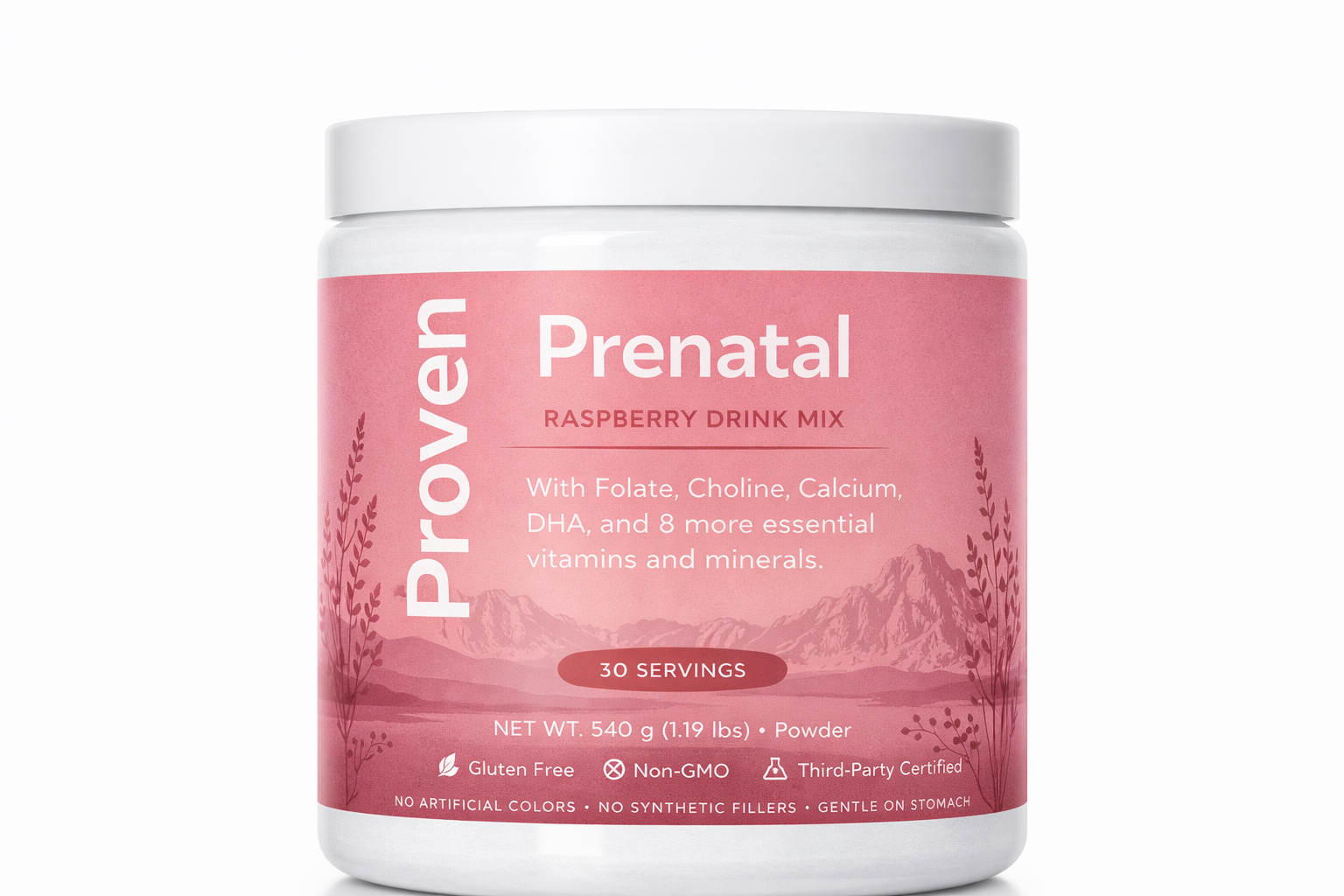
Folic acid supplementation during the periconceptional period is one of the most well-established interventions in maternal nutrition. Multiple peer-reviewed studies and systematic reviews have demonstrated that adequate folic acid intake significantly reduces the risk of neural tube defects (NTDs), including spina bifida and anencephaly, by up to 50–70% or more.
This protective effect is attributed to folate’s essential role in DNA synthesis, cell division, and nucleotide metabolism—processes that are critical during early embryonic development when the neural tube is forming.
Large cohort studies and meta-analyses further confirm that folic acid supplementation before and during pregnancy is associated with a statistically significant reduction in congenital anomalies, reinforcing global clinical guidelines recommending daily intake of 400–800 mcg for women of childbearing age.
-
Choline is a critical nutrient for fetal brain development, particularly in the formation of cell membranes and neurotransmitters. Peer-reviewed studies indicate that adequate choline intake supports neural tube closure and long-term cognitive function. Despite its importance, choline is often under-consumed in prenatal diets, making supplementation especially valuable.
-
Calcium is essential for fetal skeletal formation and mineralization, particularly during the third trimester. Clinical studies demonstrate that sufficient calcium intake helps preserve maternal bone density and may reduce the risk of pregnancy-related hypertension and preeclampsia. Calcium also supports proper muscle function and nerve signaling.
-
Omega-3 fatty acids—particularly DHA—are extensively studied for their critical role in fetal brain and eye development, as well as overall pregnancy outcomes. DHA is a major structural component of the brain and retina, accumulating rapidly during the third trimester, while broader omega-3 intake supports anti-inflammatory pathways and maternal cardiovascular health. Peer-reviewed studies and meta-analyses have shown that adequate omega-3 and DHA intake during pregnancy is associated with improved cognitive and visual development in infants, as well as a reduced risk of preterm birth and support for optimal fetal growth.
-
Iron requirements increase significantly during pregnancy to support expanded maternal blood volume and fetal growth. Peer-reviewed research shows that adequate iron intake reduces the risk of maternal anemia, low birth weight, and preterm delivery. Iron plays a central role in hemoglobin synthesis and oxygen transport, which are critical for both maternal health and fetal development.
-
Vitamin D enhances intestinal calcium absorption and is critical for fetal bone development. Peer-reviewed evidence links adequate maternal vitamin D levels with improved birth outcomes, including reduced risk of preeclampsia, gestational diabetes, and low birth weight. It also plays a role in immune modulation during pregnancy.
-
Iodine is required for the synthesis of thyroid hormones, which regulate fetal brain and nervous system development. Research consistently shows that iodine deficiency during pregnancy is associated with impaired cognitive development and lower IQ in offspring. Adequate intake supports normal thyroid function in both mother and baby.
-
Item descriptionVitamin A plays a key role in cellular differentiation, immune function, and fetal eye development. Clinical evidence supports its importance in embryonic growth and organ formation. Balanced sourcing—combining beta-carotene with preformed vitamin A helps ensure efficacy while maintaining safety within recommended limits.
-
Zinc is involved in DNA synthesis, cell division, and protein production, all of which are essential during pregnancy. Studies show that adequate zinc intake supports healthy fetal growth and immune function, and may reduce the risk of complications such as low birth weight and prolonged labor.
-
Vitamin B6 is widely studied for its role in reducing nausea and vomiting during pregnancy. Clinical trials have demonstrated its effectiveness in alleviating morning sickness symptoms. It also supports amino acid metabolism and neurotransmitter synthesis, contributing to overall maternal well-being.
-
Vitamin B12 works synergistically with folate in DNA synthesis and red blood cell formation. Research shows that adequate B12 levels are essential for fetal neurological development and may help reduce the risk of neural tube defects and developmental delays.
-
Riboflavin is a key cofactor in energy metabolism and cellular respiration. Studies suggest it supports maternal energy levels and contributes to antioxidant defense systems. It also plays a role in fetal growth and development through its involvement in cellular function.